


Solar Images Tuesday, 15 March 2011
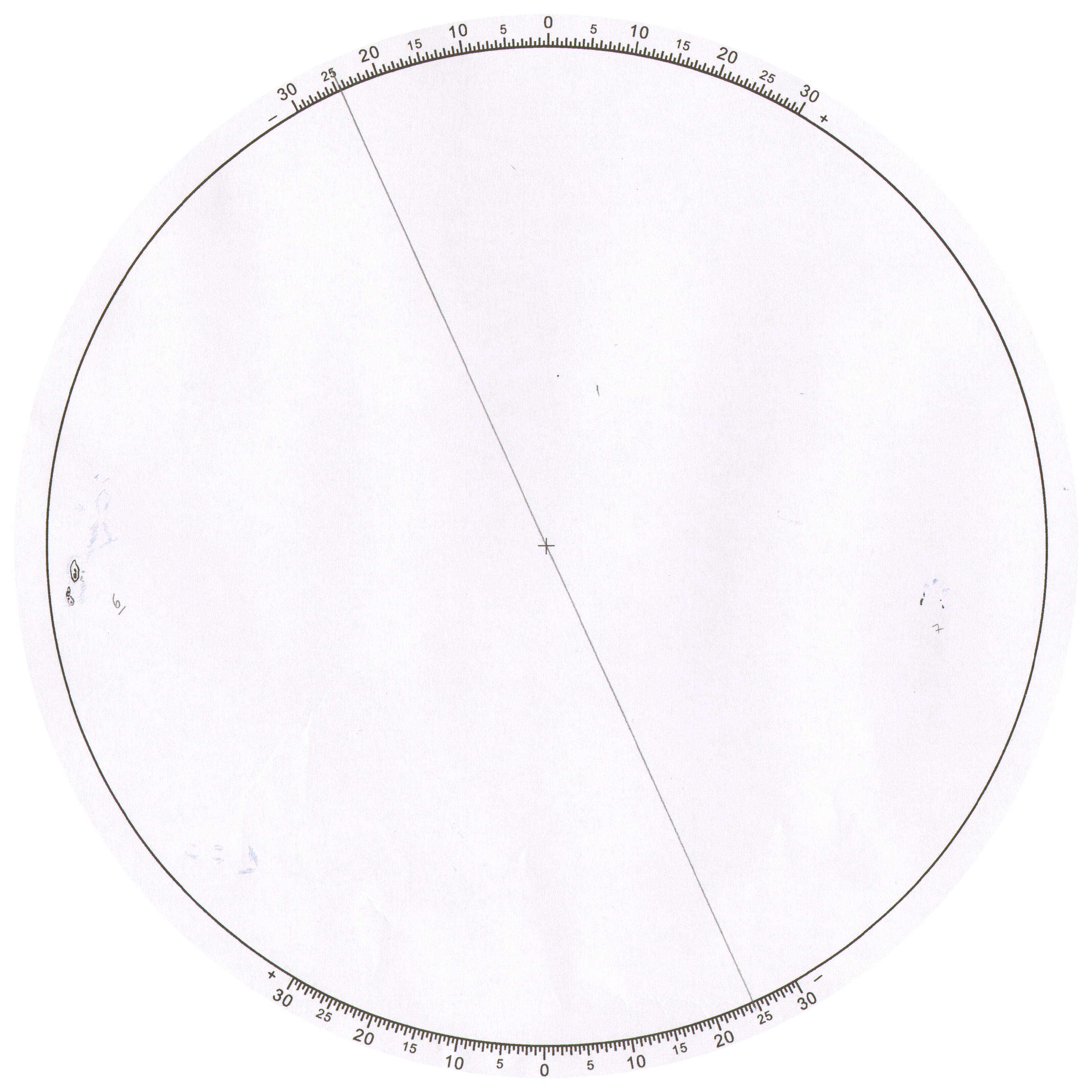
‹ 14.03.2011 2011 16.03.2011 ›Photosphere sunspot drawing and RDS evaluation
- Time
- 07:40 UT
- Observer
- Hikmet ÇAKMAK
- g
- 4
- f
- 27
- R
- 67
- Seeing
- 4 / 5
Sunspot groups and observation details →
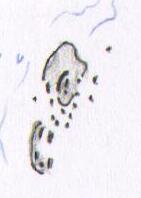
Sunspot groups (from the drawing)



RDS data file (.gzd)
[Gözlem]
Tarih=15.03.2011
Saat=07:40
Gözlemci=Hikmet ÇAKMAK
KontrolEden=Asuman GÜLTEKİN
Durumaçısı=-24.41
Enlemaçısı=-7.17
Boylamaçısı=9.71
Boylamfark=2
GKalite=4
GDurum=G.T
Kuzeyaçısı=-0.2
Sırano=16162
AyRasatNo=10

[Leke Grupları]
Grupsayısı=4:4:0
LekeSayısı=27:27:0
RölatifSayı=67:67:0
01=?__ 03 +09.29 +76.35 086.35 +78.35 000 +10.20 +77.74 +08.38 +74.96
02=HA_ 21 +16.80 +53.67 063.67 +55.67 000 +18.23 +57.40 +13.93 +49.94
03=AX_ 02 +06.55 +24.28 034.28 +26.28 000 +07.40 +25.70 +06.50 +23.49
04=AX_ 01 +10.83 -22.51 347.49 -20.51 000 +11.60 -22.29 +10.60 -22.73
20110315.gzd
Chromosphere (H-α) FITS frames

Disk (chromosphere) · 3 frames averaged, 07:57–08:05 UT · noise ÷1.7 · north up, east left (orientation measured against GONG H-α)

Prominences · composite: disk 08:14 UT · 40 ms, outside the limb 07:56 UT · 50 ms (long exposure) — two real frames of the same session joined at the limb · north up, east left (orientation measured against GONG H-α)
The images are made automatically with a fixed, gentle rule: dust shadows of the camera are removed, uneven illumination and most of the limb darkening are corrected, and the brightness is shown on a linear scale (no sharpening); prominences get their own scale outside the limb. Two images of the day are shown. Disk: the sharpest (seeing) of the good frames (no ⚠: not over-exposed, no cloud, the whole Sun in the field). Prominences: the frame in which the prominences outside the limb stand out most against the sky noise; long exposures count here too (their disk is over-exposed on purpose). For such a frame the disk is taken from a short frame of the same session (two real frames joined at the limb, both named in the caption); otherwise the disk is covered by a dark occulting disk. When one series has several good frames, they are aligned on the Sun and averaged; the average is shown instead, and labelled, when it keeps the structure and lowers the noise. Method → The images are for viewing; brightness measurements must use the FITS files. Scientific use →
2011/20110315_hc · HC · 11 frames · 235.7 MB · 07:48:31–10:14:37 UT
All frames of the day (11)


Coronado H-α animations from frame sequences
No Coronado observation for this day.
On the Sun this day from the NOAA/SWPC event lists
4 flare(s) happened while we were observing in H-α (marked ●). The flare may be visible in our images or films of that time.
| Time (UT) | Event | Region | Our observation |
|---|---|---|---|
| 00:18–00:24 | M1.0 | 11169 in our drawing | |
| 05:04–05:28 | C2.1 | 11166 in our drawing | |
| 06:52–07:07 | C1.4 | 11169 in our drawing | |
| 08:46–09:09 | C1.5 | 11169 in our drawing | ● |
| 08:49–09:18 | H-α SF · N17W54 | 11169 in our drawing | ● |
| 09:24–09:58 | H-α 1F · N17W54 | 11169 in our drawing | ● |
| 09:25–09:58 | C2.6 | 11169 in our drawing | ● |
| 11:21–11:27 | C1.1 | 11169 in our drawing | |
| 17:28–17:39 | C2.9 | 11169 in our drawing |
X-ray flares from the GOES satellites (C, M, X); H-α flares from ground stations (importance: S small, 1–4 larger; F/N/B faint/normal/brilliant; small S flares are listed only if they happened during our observation). A type II radio burst shows a shock wave (usually a coronal mass ejection). Chart: GOES X-ray flux (blue line; every peak is a flare, the letters on the right mark the classes); yellow strips are our chromosphere and blue strips our Coronado observing times.
Weather observatory weather station
Reading nearest to the observation time: 07:40 UT
- Temperature
- 11.6 °C
- Humidity
- 78 %
- Wind
- 3.2 km/h SSW
- Pressure
- 1,026.6 hPa
- Solar radiation
- 436 W/m²
During the day: 8.3 … 17.4 °C · rain 0.0 mm · peak radiation 779 W/m². Dips in the radiation curve are clouds.