


Solar Images Monday, 13 June 2016
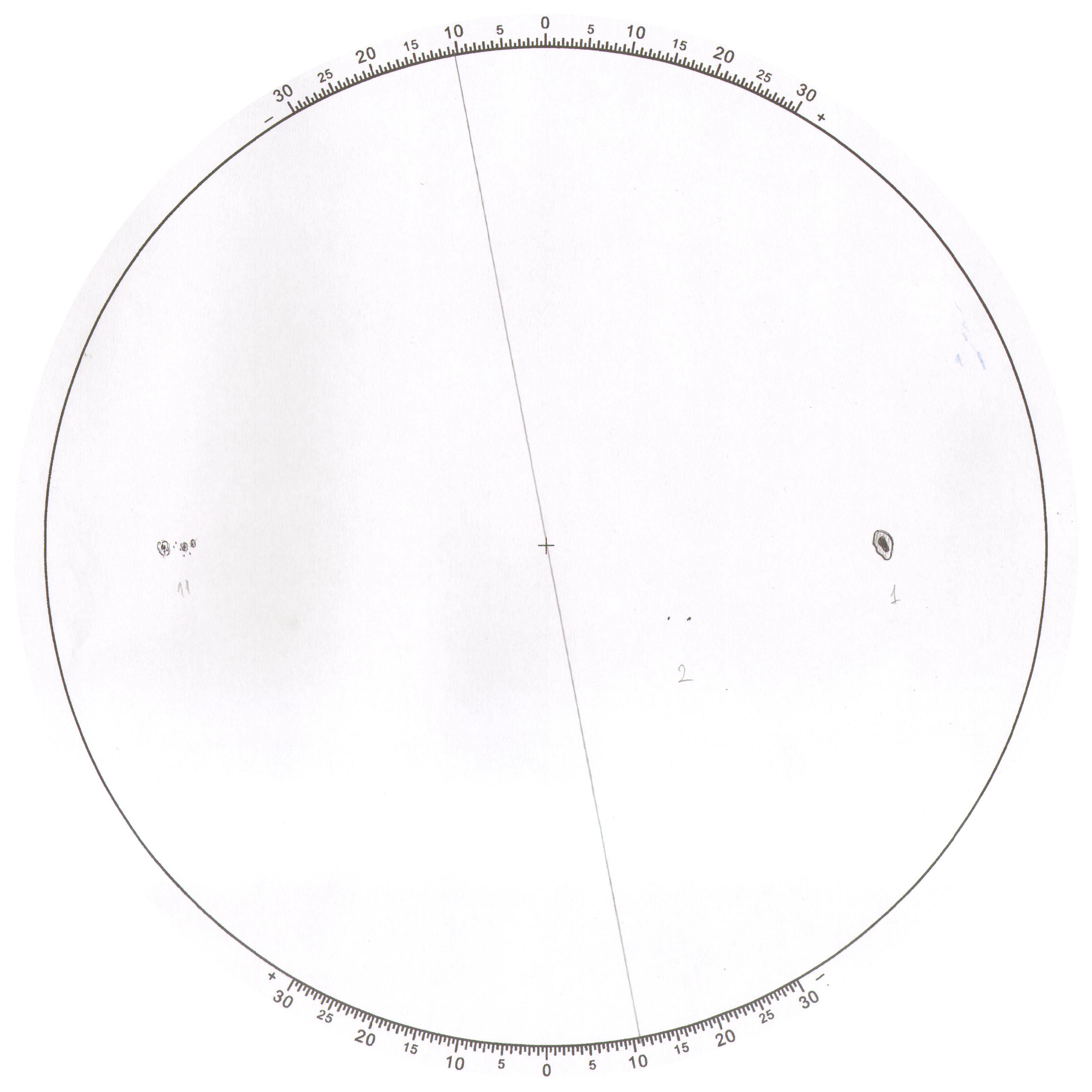
‹ 12.06.2016 2016 14.06.2016 ›Photosphere sunspot drawing and RDS evaluation
- Time
- 06:15 UT
- Observer
- Talar YONTAN
- g
- 3
- f
- 14
- R
- 44
- Seeing
- 3 / 5
Sunspot groups and observation details →
Sunspot groups (from the drawing)
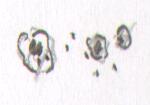

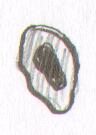
RDS data file (.gzd)
[Gözlem]
Tarih=13.06.2016
Saat=06:15
Gözlemci=Talar YONTAN
KontrolEden=Korhan YELKENCİ
Durumaçısı=-10.37
Enlemaçısı=0.84
Boylamaçısı=267.16
Boylamfark=3
GKalite=3
GDurum=G.T , H.S
Kuzeyaçısı=0.0
Sırano=17778
AyRasatNo=13
RasatÖnceki=12.06.2016
RasatSonraki=14.06.2016

[Leke Grupları]
Grupsayısı=3:1:2
LekeSayısı=14:11:3
RölatifSayı=44:21:23
01=DSI 11 +07.919 +47.368 314.528 00.820 0000 0 +09.540 +50.748 +06.784 +43.989 +07.996 +49.559 +07.919 +44.189
02=AX_ 02 -10.148 -13.901 253.259 +0.000 0000 0 -09.695 -12.602 -10.602 -15.201 -10.148 -13.101 -10.148 -14.701
03=HH_ 01 -06.168 -41.871 225.289 +0.000 0000 0 -04.367 -40.379 -07.969 -43.364 -06.168 -40.878 -06.168 -42.863
20160613.gzd
Chromosphere (H-α) FITS frames
No chromosphere observation for this day.
Coronado H-α animations from frame sequences
No Coronado observation for this day.
On the Sun this day from the NOAA/SWPC event lists
| Time (UT) | Event | Region |
|---|---|---|
| 05:33–06:18 | C3.0 | 12552 |
| 18:36–18:37 | radio type II/1 · shock ~941 km/s | – |
X-ray flares from the GOES satellites (C, M, X); H-α flares from ground stations (importance: S small, 1–4 larger; F/N/B faint/normal/brilliant; small S flares are listed only if they happened during our observation). A type II radio burst shows a shock wave (usually a coronal mass ejection). Chart: GOES X-ray flux (blue line; every peak is a flare, the letters on the right mark the classes); yellow strips are our chromosphere and blue strips our Coronado observing times.
Weather observatory weather station
Reading nearest to the observation time: 06:15 UT
- Temperature
- 24.2 °C
- Humidity
- 53 %
- Wind
- 3.2 km/h SSW
- Pressure
- 1,006.9 hPa
- Solar radiation
- 639 W/m²
During the day: 20.3 … 29.7 °C · rain 0.0 mm · peak radiation 1,021 W/m². Dips in the radiation curve are clouds.