


Solar Images Thursday, 27 November 2025
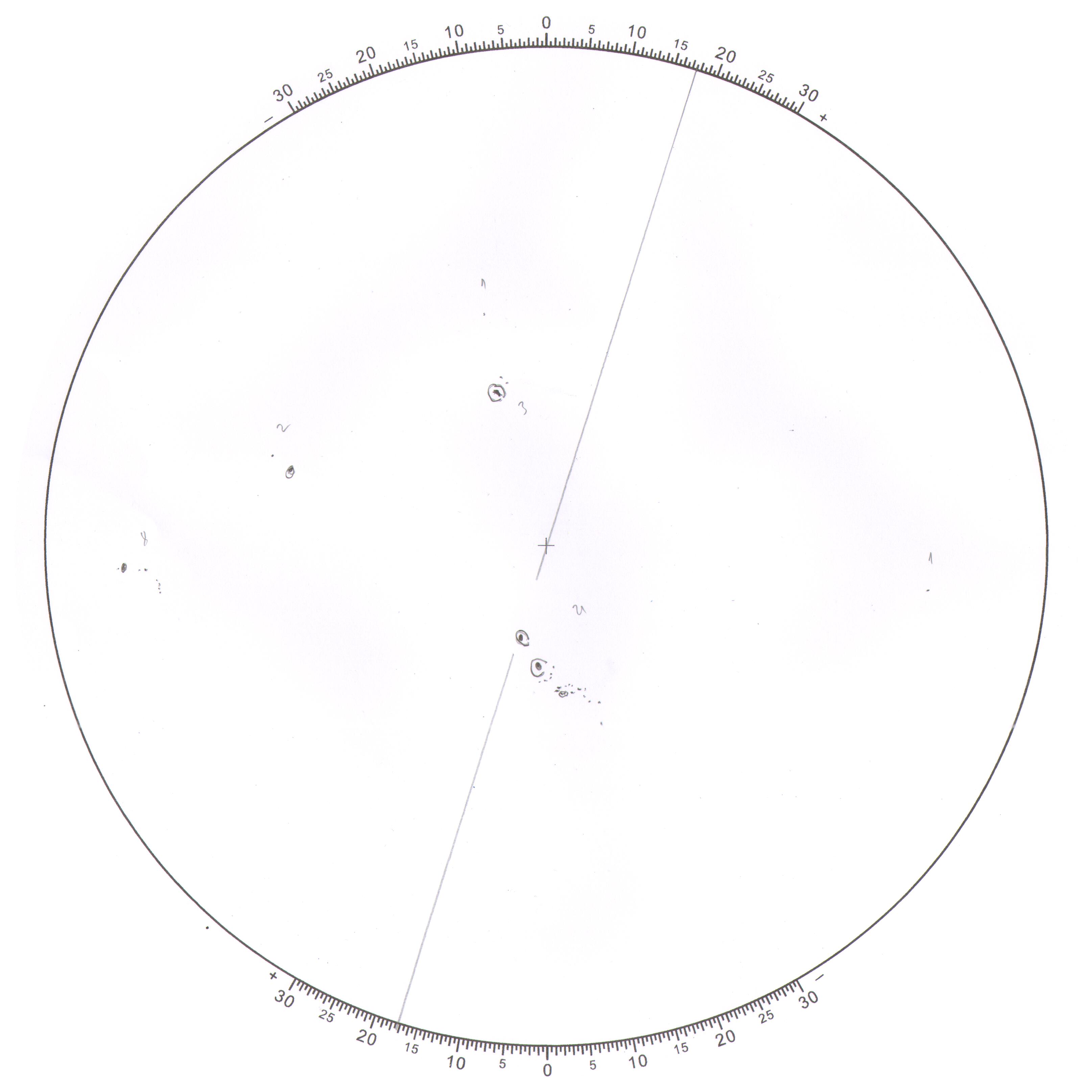
‹ 25.11.2025 2025 28.11.2025 ›Photosphere sunspot drawing and RDS evaluation
- Time
- 11:35 UT
- Observer
- Korhan YELKENCİ
- g
- 6
- f
- 35
- R
- 95
- Seeing
- 3 / 5
Sunspot groups and observation details →
Sunspot groups (from the drawing)
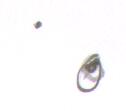 Group 1 · CAO – 2
 Group 2 · AX_ – 1
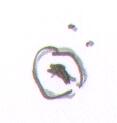 Group 3 · CAO – 3
 Group 4 · AX_ – 1
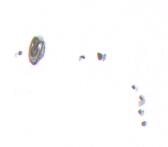 Group 5 · CAI – 8
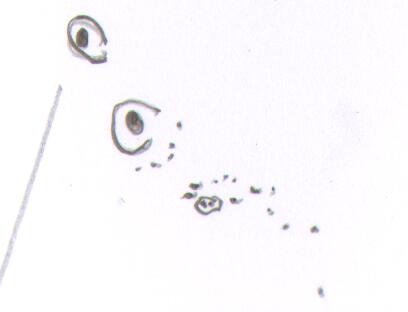 Group 6 · DSC – 20
RDS data file (.gzd)
[Gözlem]
Tarih=27.11.2025
Saat=11:35
Gözlemci=Korhan YELKENCİ
KontrolEden=Ergün EGE
Durumaçısı=17.33
Enlemaçısı=1.34
Boylamaçısı=33.91
Boylamfark=0
GKalite=3
GDurum=K.T
Kuzeyaçısı=0.1
Sırano=20395
AyRasatNo=18
RasatÖnceki=25.11.2025
RasatSonraki=28.11.2025

[Leke Grupları]
Grupsayısı=6:4:2
LekeSayısı=35:7:28
RölatifSayı=95:47:48
01=CAO 02 +00.816 +33.512 067.422 28.403 0000 0 +01.877 +35.429 -00.244 +31.596 +01.677 +34.979 -00.440 +31.796
02=AX_ 01 +25.285 +16.397 050.307 -1.000 0000 0 +25.285 +16.397 +25.285 +16.397
03=CAO 03 +17.100 +11.267 045.177 +0.000 0000 0 +18.626 +12.520 +15.376 +10.140 +00.000 +00.000 +00.000 +00.000
04=AX_ 01 +09.209 -50.740 343.836 -1.000 0000 0 +09.209 -50.740 +09.209 -50.740
05=CAI 08 -16.620 +52.468 086.378 14.160 0000 0 -15.284 +57.174 -17.957 +47.762 -15.493 +56.974 -17.757 +47.962
06=DSC 20 -13.912 -07.762 026.148 26.707 0000 0 -10.961 -02.291 -16.862 -13.233 -12.392 -04.125 -16.910 -11.509
20251127.gzd
Chromosphere (H-α) FITS frames
No chromosphere observation for this day.
Coronado H-α animations from frame sequences
No Coronado observation for this day.
On the Sun this day from the NOAA/SWPC event lists
| Time (UT) | Event | Region |
|---|---|---|
| 00:35–00:58 | C2.7 | 14291 in our drawing |
| 01:36–01:48 | C1.1 | 14292 in our drawing |
| 04:22–04:38 | C1.0 | 14291 in our drawing |
| 04:38–04:47 | C1.0 | 14291 in our drawing |
| 13:07–13:39 | C1.8 | – |
| 16:12–16:39 | C1.3 | – |
| 21:40–22:05 | C3.0 | – |
Radio spectrum of this day: CALLISTO TURKEY (MİRYA) ↗ animation, 23 MB · flares and shock waves appear as bright bands drifting in frequency; compare with the times of the radio events above.
X-ray flares from the GOES satellites (C, M, X); H-α flares from ground stations (importance: S small, 1–4 larger; F/N/B faint/normal/brilliant; small S flares are listed only if they happened during our observation). A type II radio burst shows a shock wave (usually a coronal mass ejection). Chart: GOES X-ray flux (blue line; every peak is a flare, the letters on the right mark the classes); yellow strips are our chromosphere and blue strips our Coronado observing times.