


Solar Images Sunday, 14 September 2025
‹ 12.09.2025 2025 15.09.2025 ›Photosphere sunspot drawing and RDS evaluation
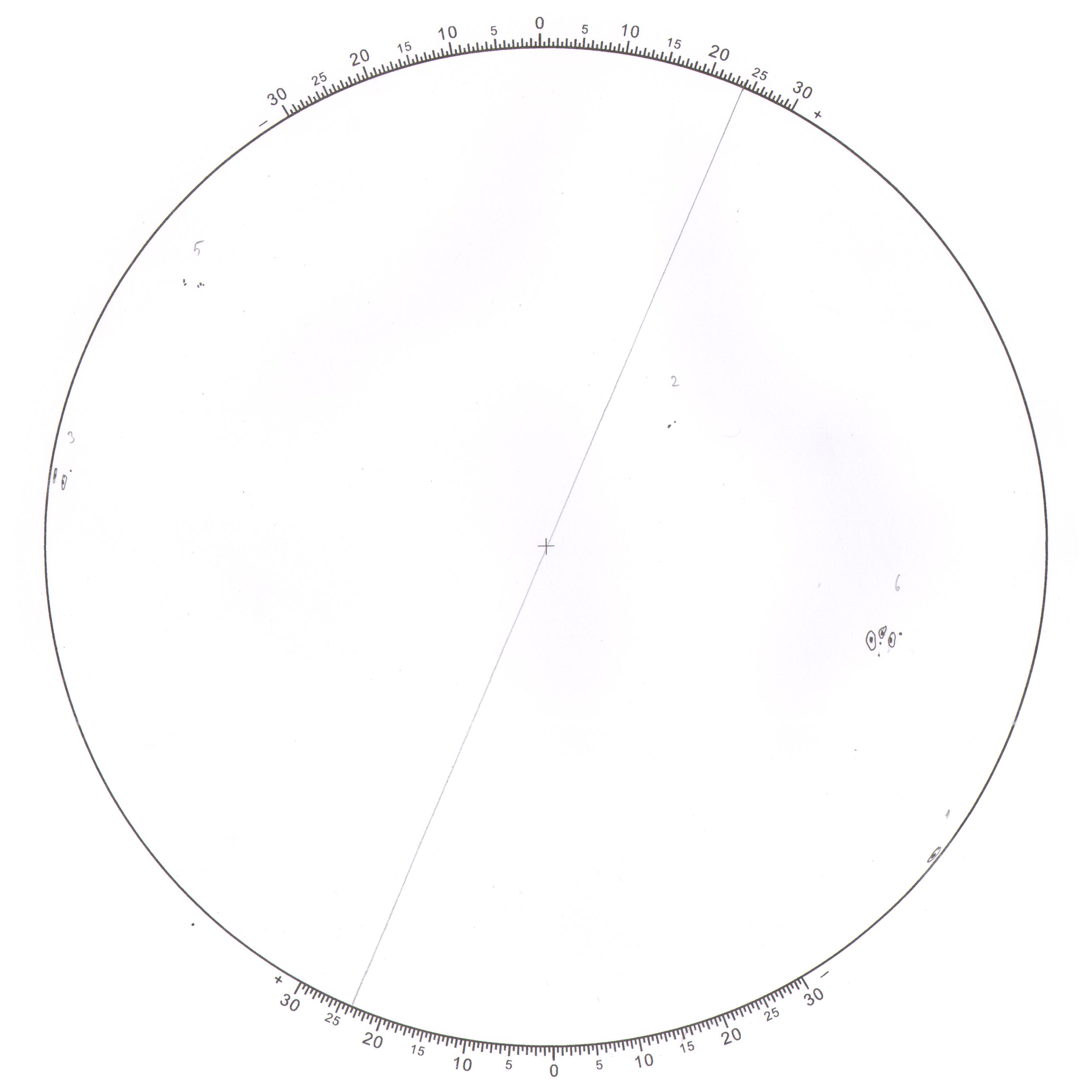
- Time
- 09:10 UT
- Observer
- Korhan YELKENCİ
- g
- 5
- f
- 17
- R
- 67
- Seeing
- 3 / 5
Sunspot groups and observation details →
Sunspot groups (from the drawing)
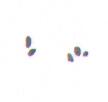

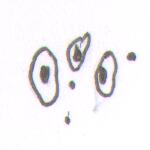
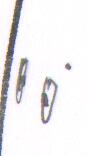

RDS data file (.gzd)
[Gözlem]
Tarih=14.09.2025
Saat=09:10
Gözlemci=Korhan YELKENCİ
KontrolEden=Süleyman FİŞEK
Durumaçısı=23.95
Enlemaçısı=7.21
Boylamaçısı=291.29
Boylamfark=2
GKalite=3
GDurum=B.A
Kuzeyaçısı=-0.7
Sırano=20345
AyRasatNo=11
RasatÖnceki=12.09.2025
RasatSonraki=15.09.2025

[Leke Grupları]
Grupsayısı=5:3:2
LekeSayısı=17:13:4
RölatifSayı=67:43:24
01=BXI 05 +15.174 +62.390 353.680 +0.000 0000 0 +15.968 +65.179 +14.379 +59.602 +15.174 +64.678 +15.174 +60.101
02=AX_ 02 +25.905 -08.631 282.659 +0.000 0000 0 +26.489 -08.113 +25.321 -09.150 +25.905 -08.612 +25.905 -08.649
03=DAC 06 +10.401 -44.866 246.424 32.912 0000 0 +12.263 -42.910 +08.538 -47.641 +12.630 -42.291 +08.738 -47.441
04=DAI 03 -12.920 +76.577 007.867 15.210 0000 0 -11.393 +81.725 -14.446 +71.429 -11.606 +81.525 -14.246 +71.629
05=HS_ 01 -14.400 -80.823 210.467 +0.000 0000 0 -13.750 -78.539 -14.933 -83.107 -14.400 -79.390 -14.400 -82.607
20250914.gzd
Chromosphere (H-α) FITS frames
No chromosphere observation for this day.
Coronado H-α animations from frame sequences
No Coronado observation for this day.
On the Sun this day from the NOAA/SWPC event lists
| Time (UT) | Event | Region |
|---|---|---|
| 05:24–05:38 | C1.1 | 14216 in our drawing |
| 05:48–05:56 | C1.3 | 14216 in our drawing |
| 06:02–06:16 | C1.7 | 14217 in our drawing |
| 06:41–06:52 | C2.2 | 14216 in our drawing |
| 07:57–08:10 | C1.4 | 14217 in our drawing |
| 09:27–09:40 | C3.5 | 14217 in our drawing |
| 15:10–15:17 | C2.6 | 14217 in our drawing |
| 15:18–15:25 | C3.7 | 14217 in our drawing |
| 18:19–18:34 | C2.0 | – |
Radio spectrum of this day: CALLISTO TURKEY (MİRYA) ↗ animation, 28 MB · flares and shock waves appear as bright bands drifting in frequency; compare with the times of the radio events above.
X-ray flares from the GOES satellites (C, M, X); H-α flares from ground stations (importance: S small, 1–4 larger; F/N/B faint/normal/brilliant; small S flares are listed only if they happened during our observation). A type II radio burst shows a shock wave (usually a coronal mass ejection). Chart: GOES X-ray flux (blue line; every peak is a flare, the letters on the right mark the classes); yellow strips are our chromosphere and blue strips our Coronado observing times.